Menu

Shaping

Petroceramics masters a wide range of standard and advanced molding techniques, continuously optimizing its production processes to remain at the forefront of materials innovation.

Our molding capabilities range from traditional methods, such as compression molding and vacuum bagging in autoclave using pre-impregnated fabrics, to advanced technologies like the molding of 2.5D radially needled preforms.

We also have extensive experience in working with thermosetting polymer resins, including phenolic, siloxane, epoxy, and cyanate ester systems.

With decades of expertise, Petroceramics is equipped to produce components and parts across multiple technological platforms, develop custom prototypes, and manage small- to medium-scale production runs — all in-house. In addition, we provide material and process characterization to ensure performance, quality, and reliability.
Autoclave

Vacuum bagging

Pressa M010

Compression molding

Macchina Girella

Needling

Close

Vacuum bagging


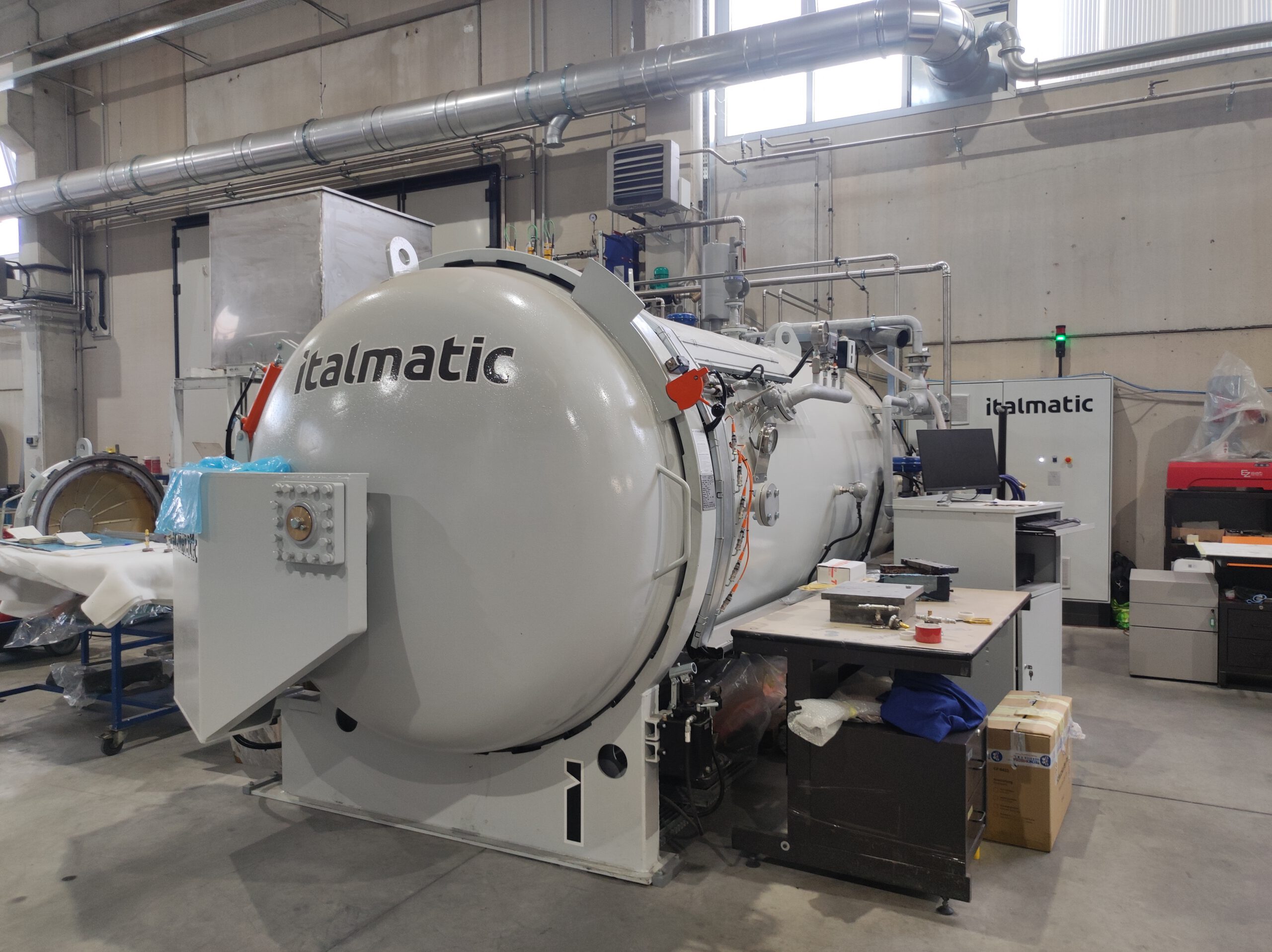
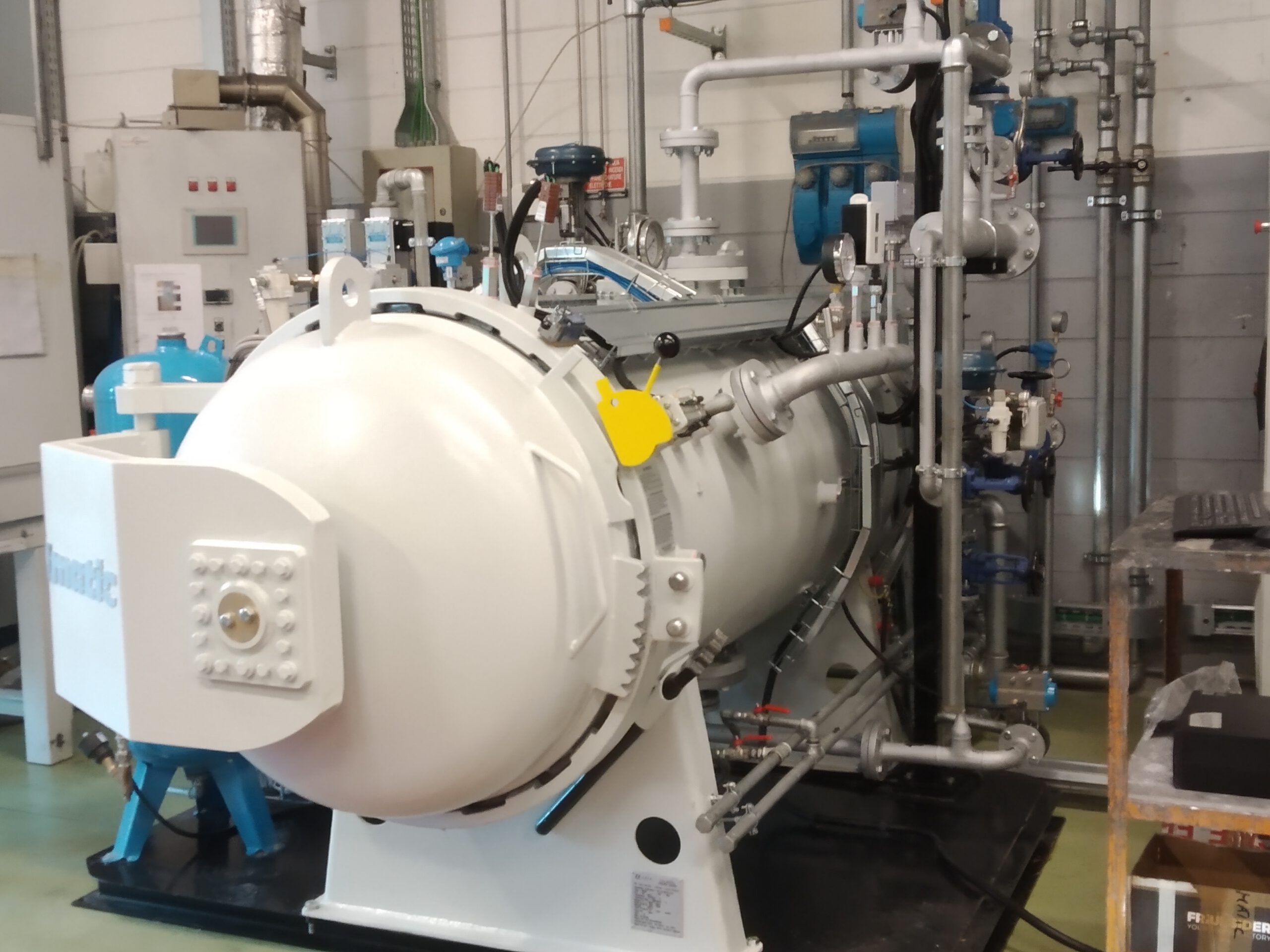
Vacuum bagging is a fundamental technique in composite material manufacturing, widely employed in the aerospace industry to produce lightweight, high-strength, and defect-free components.

The process involves enclosing the laminate (layers of fiber and resin) within an airtight bag, from which air is evacuated using a vacuum pump. This creates uniform pressure that compacts the material, removes air bubbles, and eliminates excess resin. As a result, the mechanical properties of the part are significantly enhanced, ensuring excellent adhesion between layers and reduced porosity.

Curing can be performed at room temperature or in an autoclave, depending on the material system and performance requirements.

Vacuum bagging is essential for manufacturing structural parts such as wings, fuselages, and interior panels, where precision, lightweight construction, and strength are critical for aircraft safety and efficiency.


Autoclave

Autoclave
Pressurization fluidAir/Nitrogen
Operational pressure11 bar
Operational temperature300 °C
Temperature homogeneity+/- 3 °C
Dimensioni utili camera686 x 1200 mm


Autoclave

Autoclave
Pressurization fluidAir/Nitrogen
Operational pressure6 bar
Operational temperature200 °C
Temperature homogeneity+/- 3 °C
Dimensioni camera
1500 x 3000 mm

Close

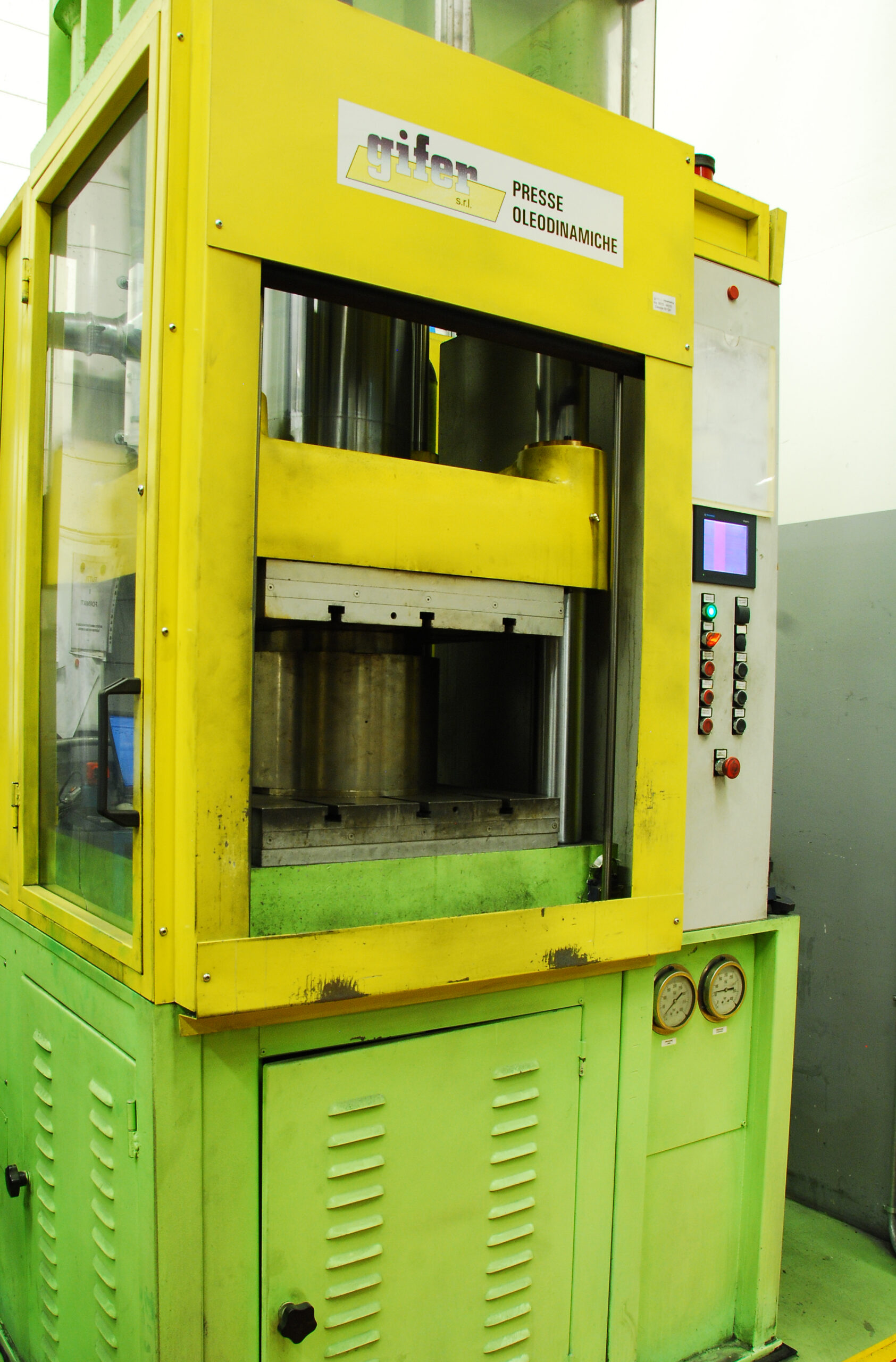
Compression molding


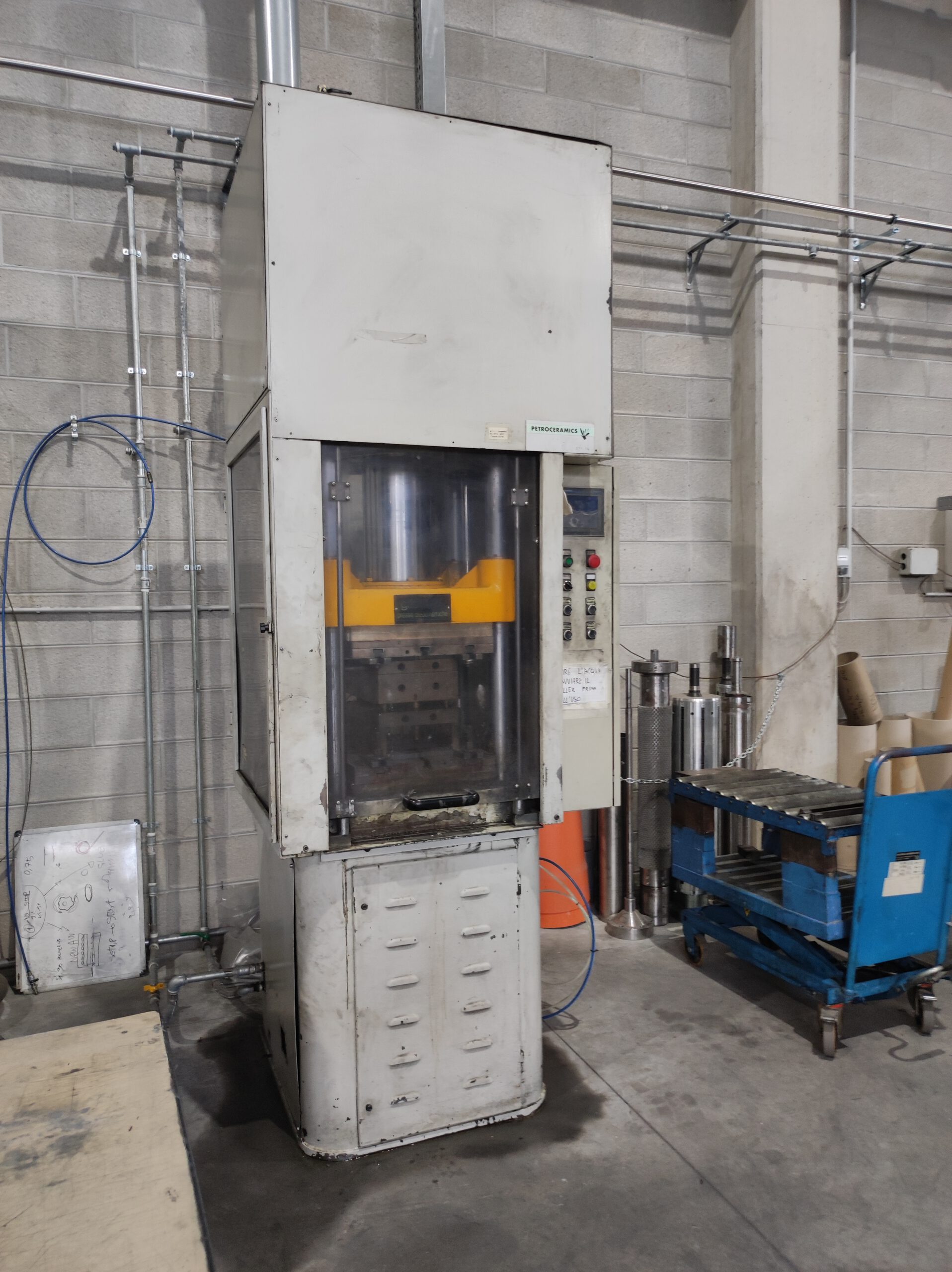
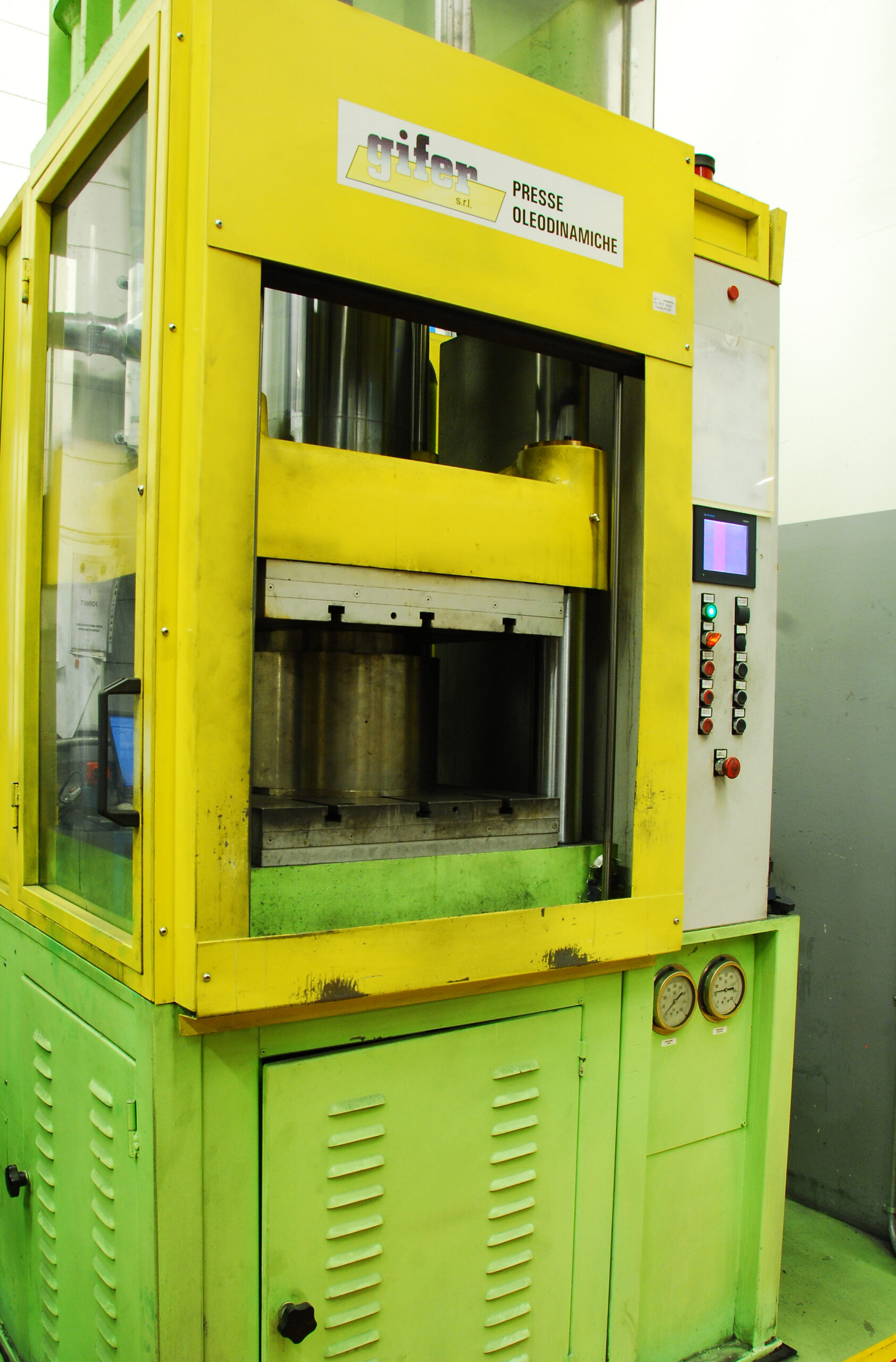
Petroceramics possesses extensive experience and expertise in compression molding of powder mixtures, carbon fiber chopped compounds, and pre-impregnated textile composites.

We specialize in molding thermosetting polymers such as phenolic, siloxane, epoxy, and cyanate ester resins. This advanced technology is a key factor in both our R&D projects and production activities.

Our capabilities include molding ready-to-use polymer matrix composites as well as preforms intended for conversion into ceramic matrix composites (CMC) or carbon matrix composites (C/C).

We are equipped to produce both flat and curved components designed for the manufacturing of complex-shaped ceramics, with a particular focus on tiles used for personal ballistic protection.

Vertical molding machine

Pressa M007
Mould clamping force80ton
Temperatures adjustment40-350°C
Max clearance560mm
Max stroke450mm
Heating platens dimensions450x400mm

Vertical molding machine

Pressa M010
Mould clamping force175ton
Temperatures adjustment40-350°C
Max clearance650mm
Max stroke550mm
Heating platens dimensions550x600mm

Close

Needling


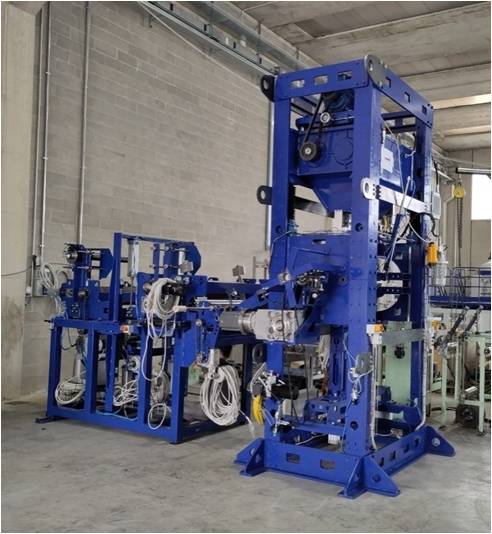
Petroceramics has developed an innovative method for molding carbon preforms using radial needling, enabling precise control over the distribution of reinforcing fibers.

This technology arranges the majority of fibers—whether cut or continuous, woven or non-woven—in a tangential plane relative to the curved surface of the rolled disc. Such fiber orientation maximizes thermal conductivity along the axial direction while significantly enhancing the mechanical strength of the component.

Needler

Macchina Girella
Diametro interno140 mm
Diametro esterno massimo400 mm
Spessore300 mm
Velocità di raccolta del TNT sul supporto cilindrico0,2-2 m/min