C/SiC
composites
Ceramic Matrix Composites (CMCs) represent a revolutionary class of materials that combine exceptional high-temperature oxidation resistance with enhanced toughness—outperforming metals and traditional ceramics in the most demanding environments.
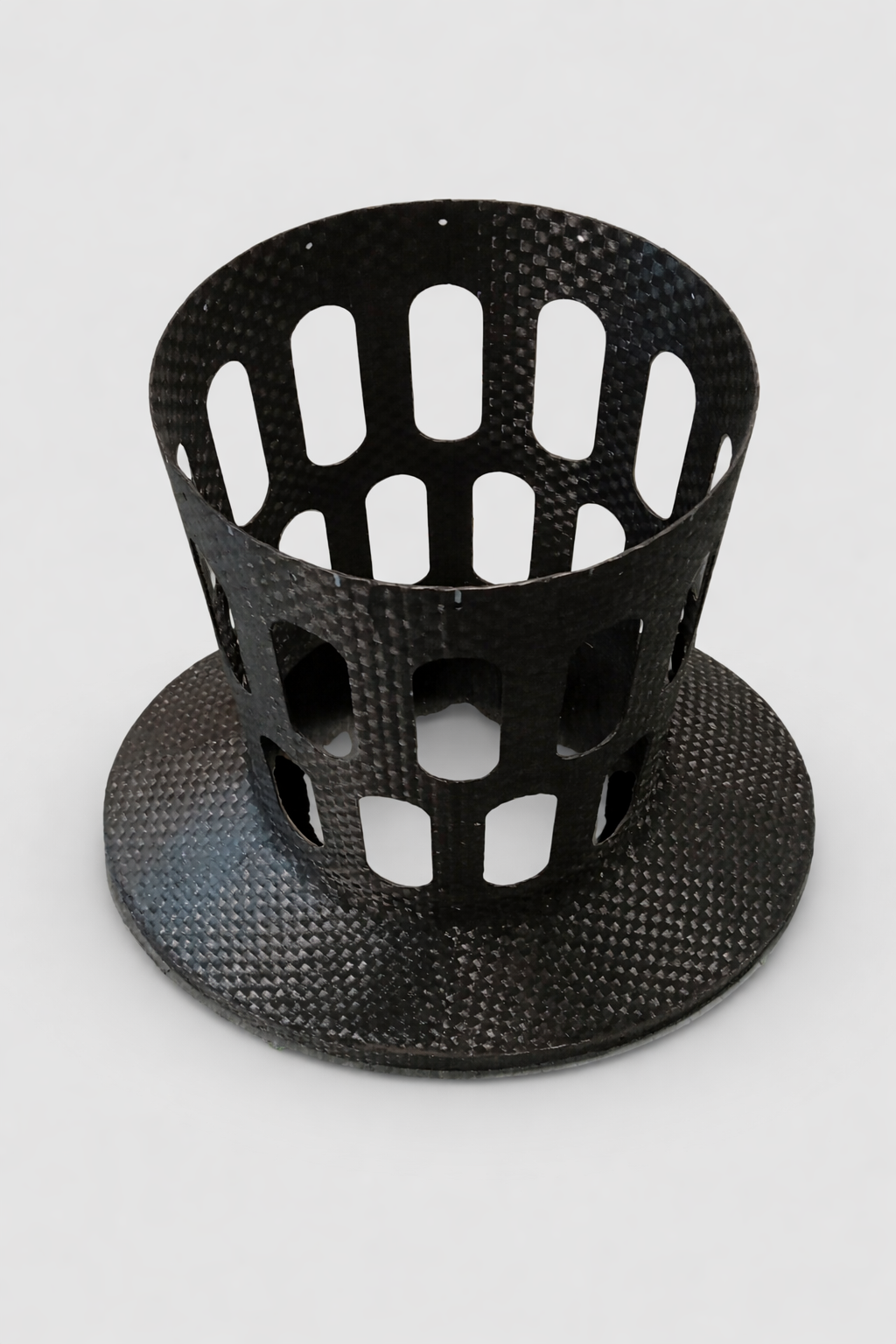
High-performance C/SiC composites are primarily employed in demanding aerospace applications. Conversely, low-cost C/C-SiC materials, often featuring short carbon fibers, are employed for automotive brake disc production.
Initially developed in the 1970s for lightweight, thin-walled structures in spacecraft Thermal Protection Systems (TPSs), C/SiC components rapidly found application in rocket propulsion systems, satellites, and laser communication terminals. Their low thermal expansion enables the fabrication of precise satellite components, such as telescope structures. C/SiC composites are also used in rocket nozzle extensions and combustion chambers, offering high-temperature stability and reduced weight compared to traditional metals.
Through continuous R&D, Petroceramics has developed innovative and cost-effective manufacturing methods, including a proprietary infiltration process and LSI (Liquid Silicon Infiltration) technology. These enable the production of both thick-section parts and highly complex geometries—tailored to your application needs.
The entire process, from shaping to infiltration and coating deposition, can be completed in relatively short times

Our commitment to materials innovation has led to the launch of two proprietary product lines:
ISiComp® – for silicon-infiltrated CMC solutions
OxyComp® – for high-performance oxide-based composites
Engineered for extremes. Proven in flight. Designed for the future.
ISiComp®
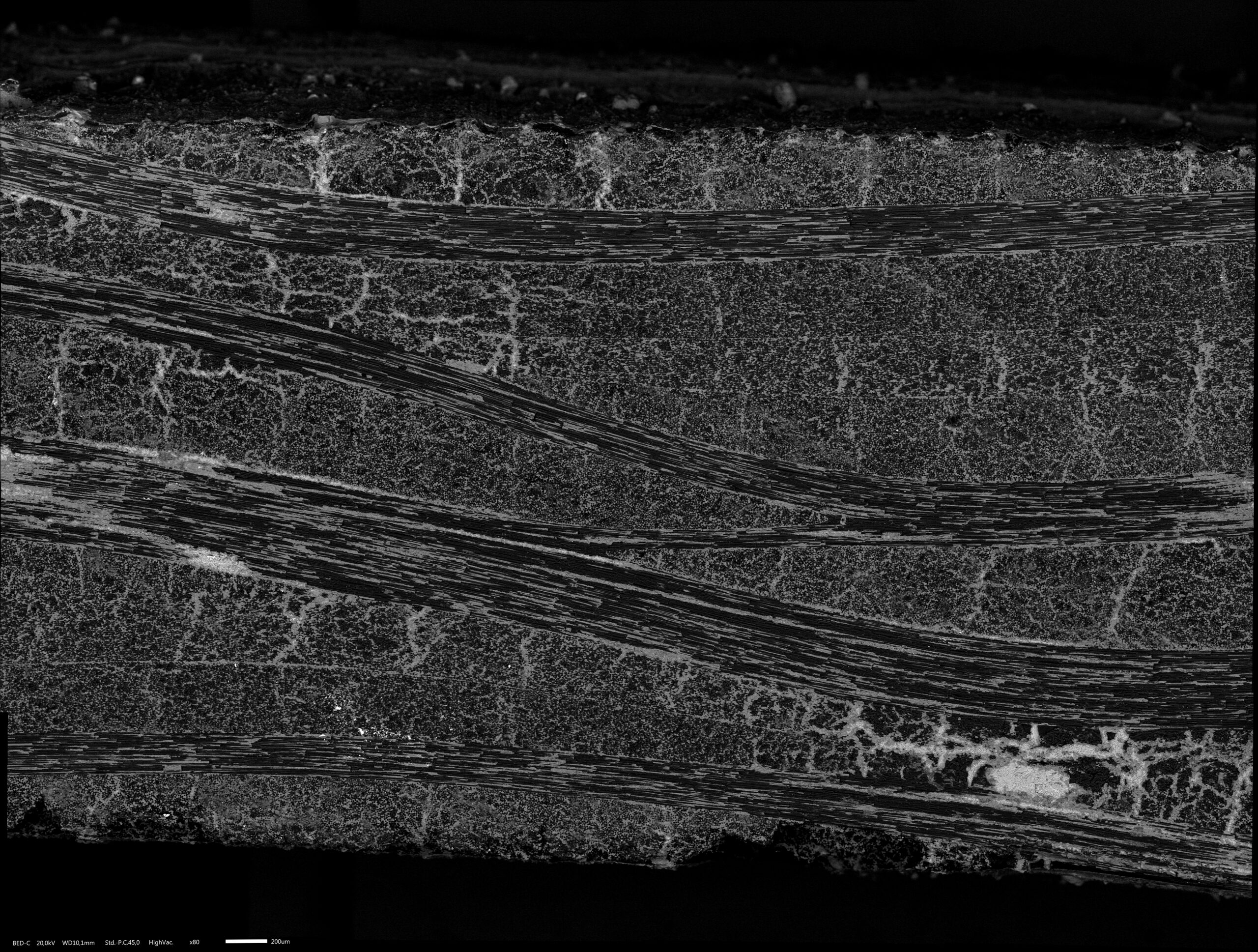
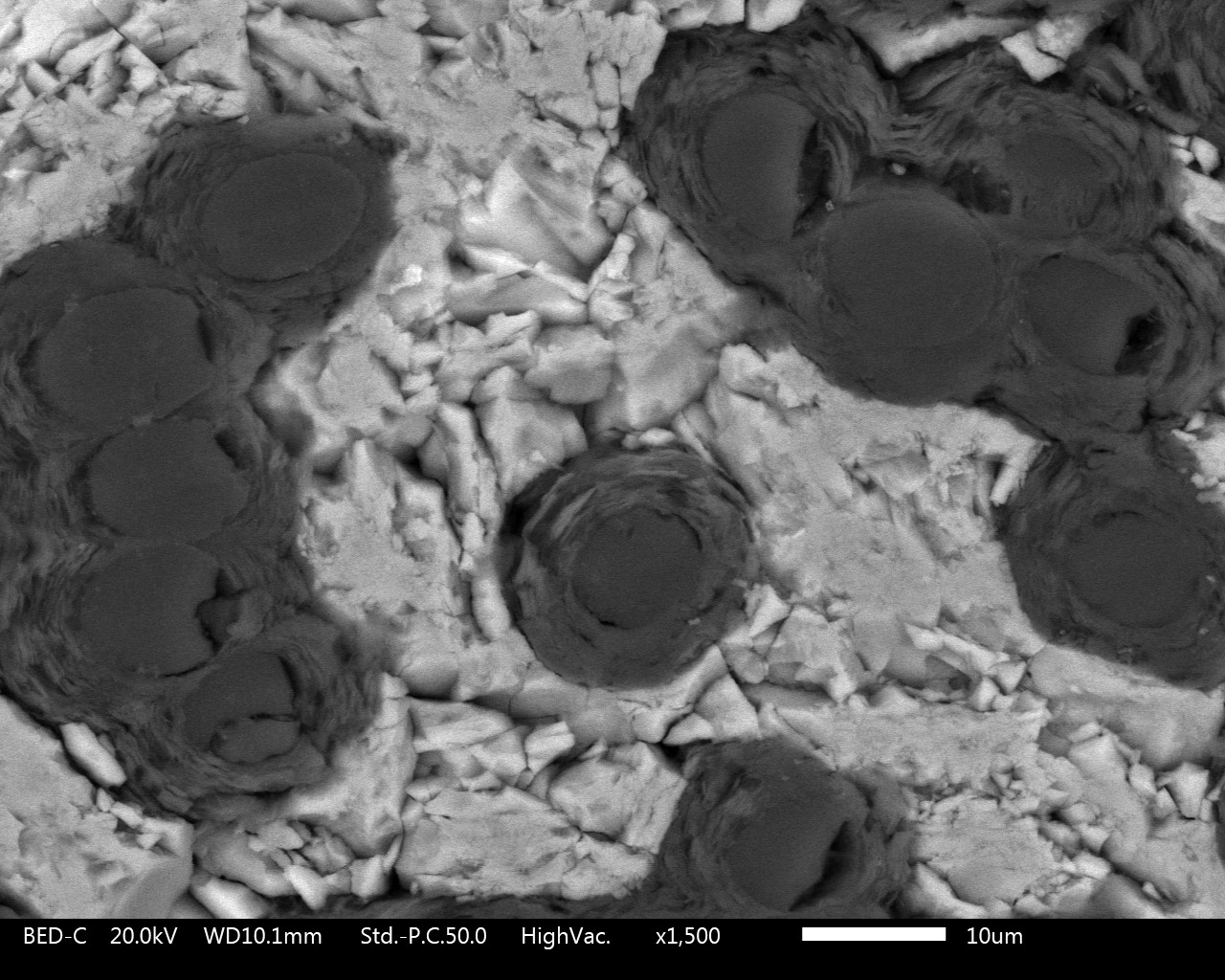
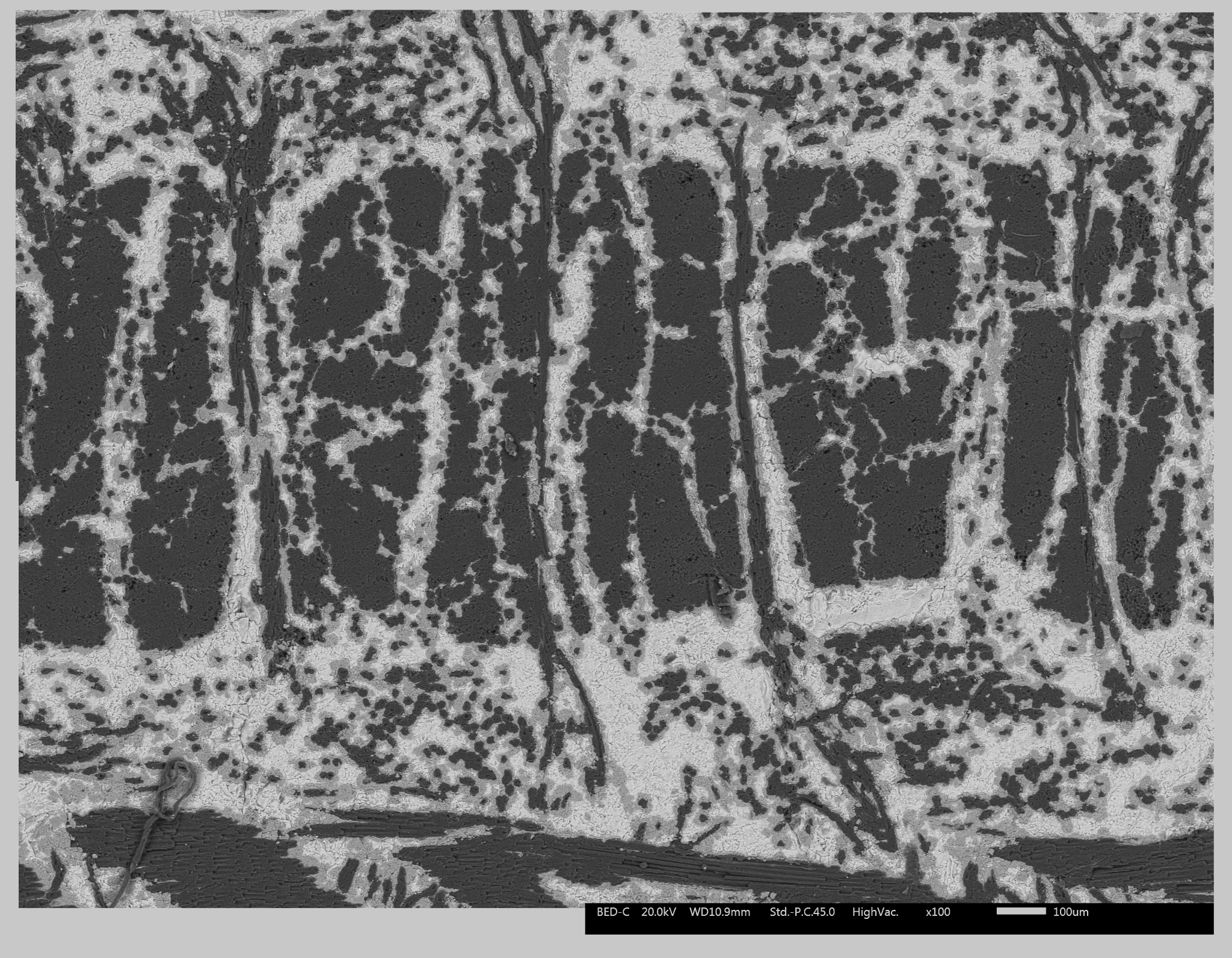
ISiComp® is a carbon fiber-reinforced ceramic matrix composite (CMC) engineered for applications that require a combination of low density and high mechanical performance. The material was developed in collaboration with C.I.R.A. (Italian Aerospace Research Centre).
The standard formulation maintains structural integrity at temperatures of up to 1500 °C in inert atmospheres or under vacuum. For applications involving higher temperatures (up to 1650 °C) and low oxygen partial pressure, a specially developed protective ceramic coating can be applied using a proprietary process optimized for this composite system.
ISiComp® can be manufactured in both planar and complex geometries, tailored to meet specific design requirements. Production times are relatively short: excluding mechanical machining, the entire process — including shaping, pyrolysis, infiltration, and SiC coating — can be completed in approximately one month.
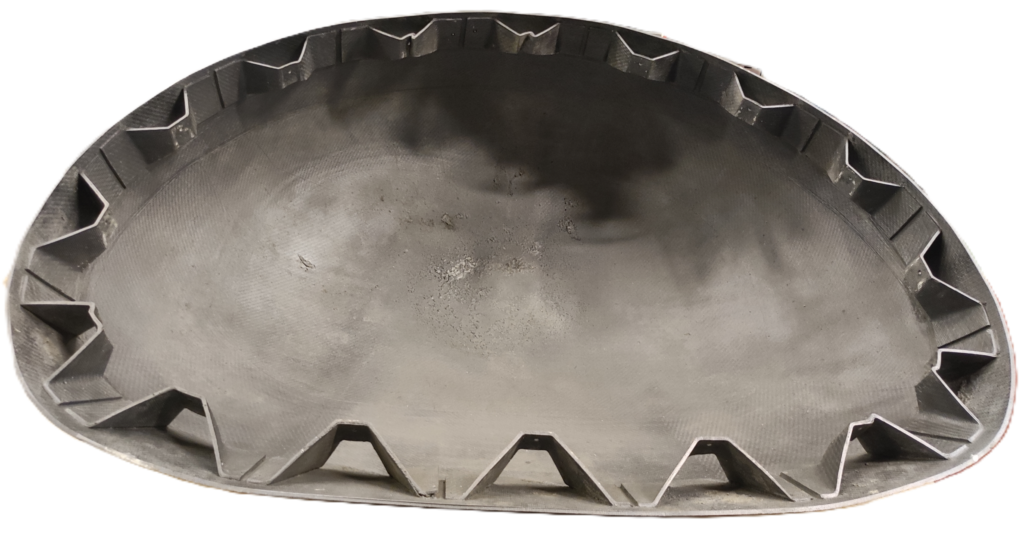
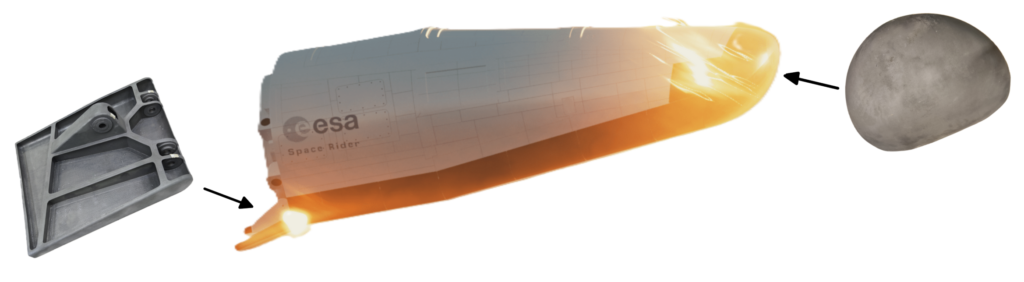
ISiComp was selected by the European Space Agency for the production of the entire Thermal Protection System (TPS) and the two Body Flap Assemblies (BFA) of Space Rider.
Space Rider is an uncrewed, reusable space vehicle designed to transport scientific and technological experiments into Low Earth Orbit. It is currently under development by the European Space Agency and is primarily funded by Italy.
Space Rider will operate in Low Earth Orbit and is designed to enable the execution of microgravity experiments in space as well as in-flight testing of new technologies. Upon completion of its mission, lasting approximately two months, Space Rider is capable of autonomously landing on a runway for reuse.
OxyComp®
OxyComp® is a carbon fiber-reinforced ceramic matrix composite (CMC) engineered for medium- to long-duration high-temperature applications in oxidizing environments, with operational temperatures reaching approximately 650 °C in air.
The material exhibits high design flexibility, enabling the fabrication of components with both simple and complex geometries to meet specific application requirements.
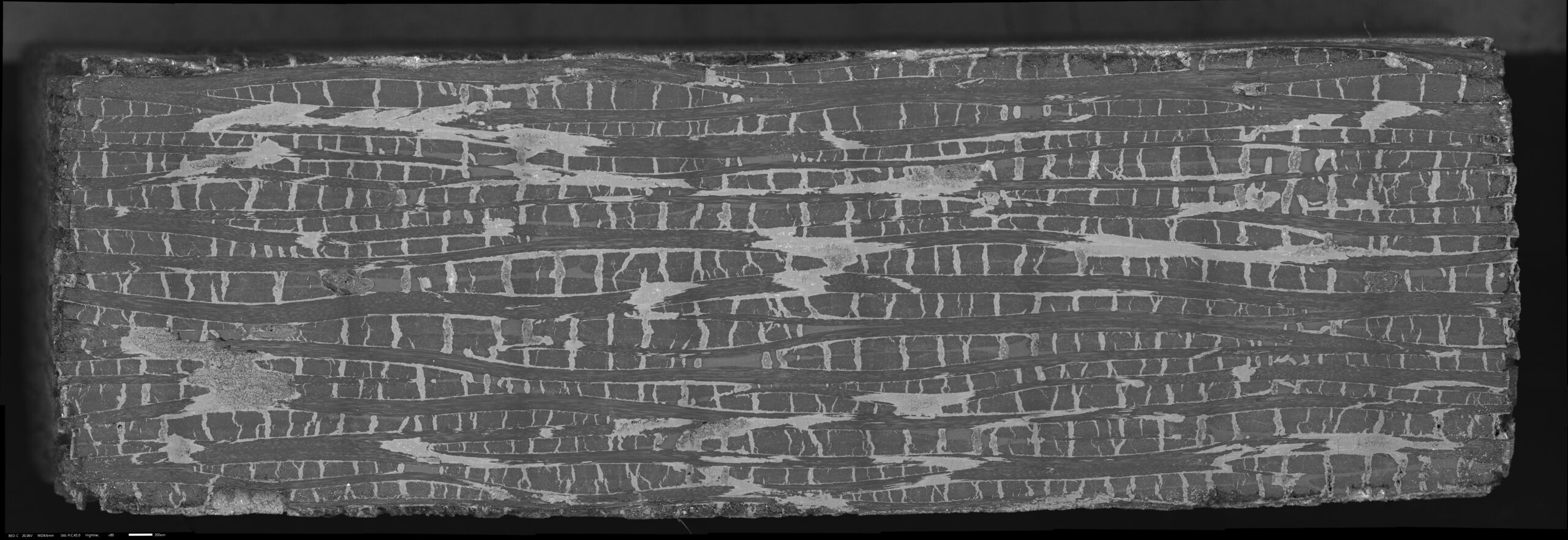
Its unique microstructure, combined with a proprietary antioxidant treatment developed specifically for OxyComp®, ensures outstanding resistance to prolonged thermal exposure in air, delivering long-term material stability and consistent performance under oxidative conditions.
OxyComp® also exhibits exceptional mechanical resilience to impacts and thermal shocks, as confirmed by experimental testing.