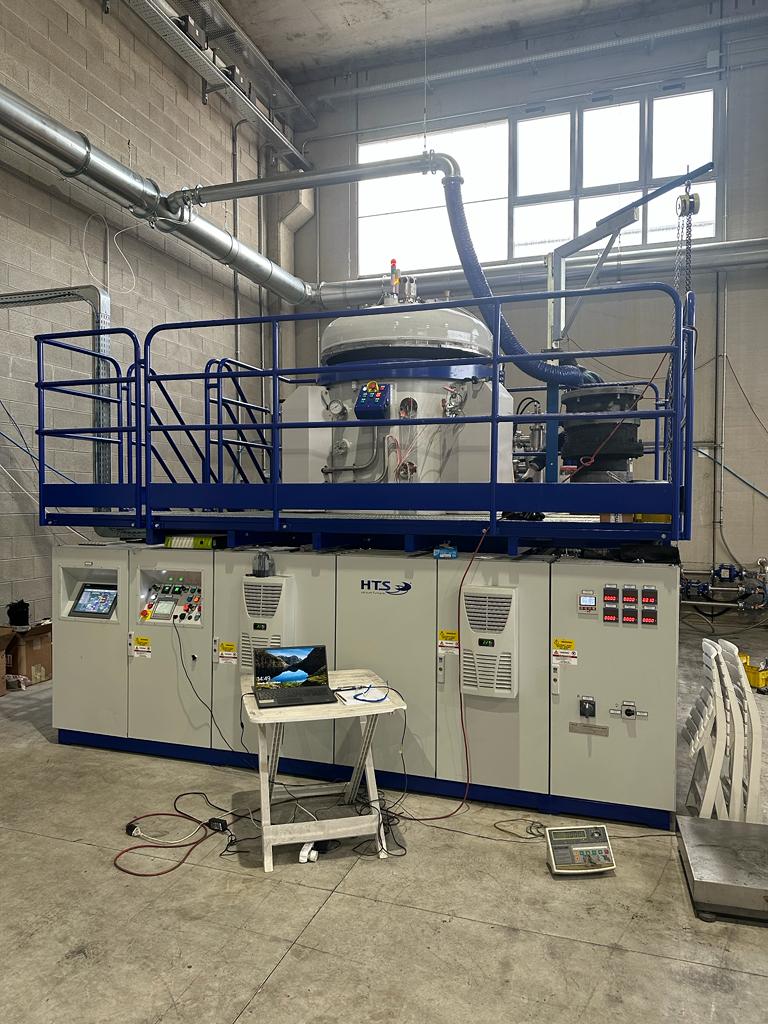
The densification of carbon fiber composites is a crucial process for achieving high-performance materials, particularly used in the aerospace, automotive, and sporting sectors. This stage aims to reduce porosity and improve the mechanical strength of the final component.
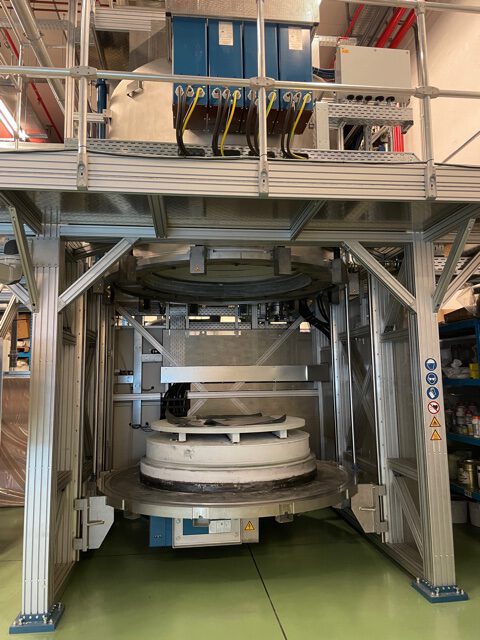
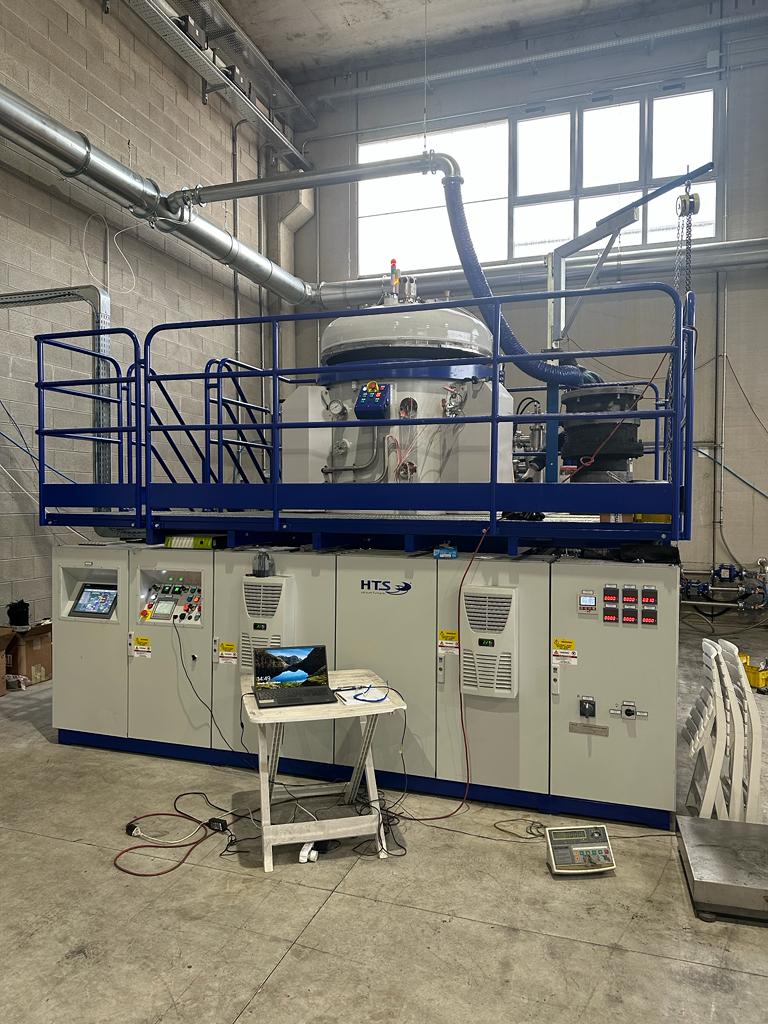
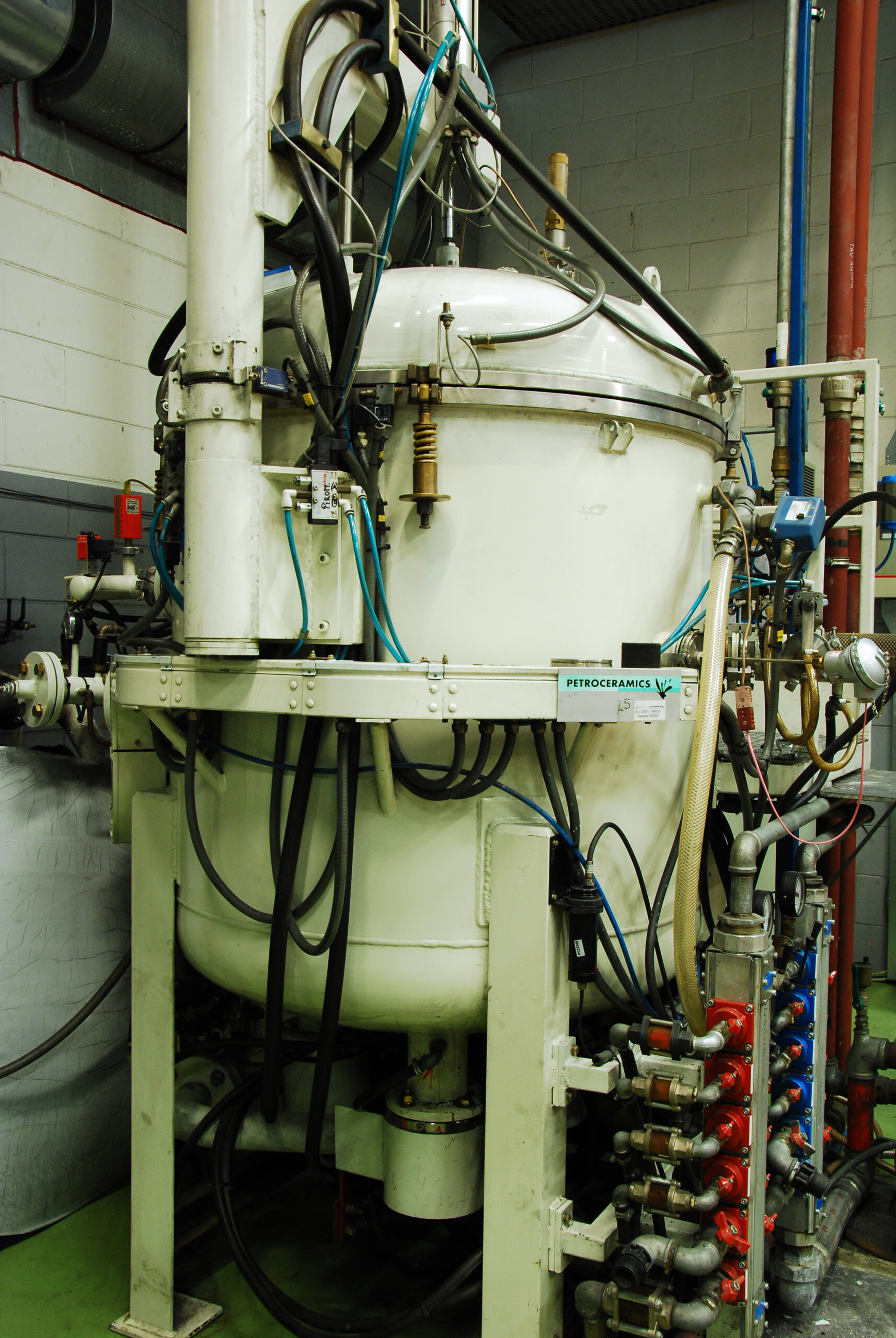
The densification of carbon fiber composites through processes such as CVI (Chemical Vapor Infiltration) and LSI (Liquid Silicon Infiltration) is essential for the production of ceramic matrix materials, such as C/C or C/SiC. In CVI, a gaseous precursor penetrates the porous fiber preform and, through high-temperature chemical reactions, deposits a solid matrix inside.
This process gradually reduces porosity, enhancing cohesion and mechanical properties. On the other hand, LSI involves the infiltration of liquid silicon into a carbon preform, forming compounds like SiC. Both methods ensure high thermal and structural performance, making them ideal for aerospace and energy applications.